

Automobiles, since their inception in the late 19th century, have evolved the way humans used to travel by sea or on animals. This drastic technological shift has had an incredible impact on society, changing the way we think about daily commutes and establishing new industries and job opportunities that were not there earlier.
In this blog, you will get a comprehensive guide on the evolution of automobiles over time.
The Three Types Of Vehicles
-
Automobile – a road vehicle with four wheels powered by an internal electric motor or combustion engine that can carry a few people.
-
Autonomous – Vehicle that is capable of running without direct human intervention
-
Hybrid – Vehicle driven by an internal combustion engine as well as an electric motor, having energy stored in batteries
The History Of Automobiles
EVs As Pioneers Of Automobiles
When you think of the world's first-ever car, what makes you wonder? A vehicle made of a wooden body with four or more wheels or a quaint buggy with oversized tires?
You will be astonished that the first car was electricity-operated, making electric vehicles not a new concept. Yes, the idea which led to the development of automobiles was first evoked using steam and electricity in the late 1700s to 1800s.
Fast-forward to late 1890, when William Morrison from the U.S. manufactured the first electronic vehicle in the country. The first-ever EV could go 14 miles per hour and cater to six people simultaneously. Within the next ten years, EVs were booming in the United States. Meanwhile, Ferdinand Porsche, in 1898, did something more extraordinary. He made the first hybrid model of the automobile that was powered by electricity and gas.
Although the U.S. witnessed a drastic breakthrough in the automobile industry, its price led to problems in the prevailing of EVs. EVs, just like today, are an overpriced expense, unaffordable by the majority middle class.
The Arrival Of Gas And Fuel-Produced Cars
Karl Benz invented the first gas-powered car in 1885, which had three wheels, looked much like an extended tricycle, and fit two people. Later, four-wheeled gas-powered vehicles were introduced in 1891.
The invention of these gas and fuel-powered automobiles marked the commencement of the vehicular evolution in the United States. The first cars produced lacked doors, windshields, or round steering wheels. Later, Henry Ford's 1908 model shifted the version of automobiles to what you perceive them today. His gas-powered Model T led an evolution for the middle-class population, offering them affordable transportation.
The Vehicle Today
Mass production of vehicles led to innovations such as speedometers, windshields, seatbelts, and rearview mirrors. Later, in 1939, Buick made further fancy advancements, adding electric windows and air conditioning in cars with power steering (1951), cruise control (1957), three-point seatbelts (1959), and heated seats (1966).
Modern Vehicle Features
Modern-day cars have more features such as Bluetooth, GPS, hard drives, WiFi, and advanced safety systems. To this day, these features are almost available in all kinds of cars, considered a luxury back then. Thinking of it makes us realize how far we have come and where the technology will be next.
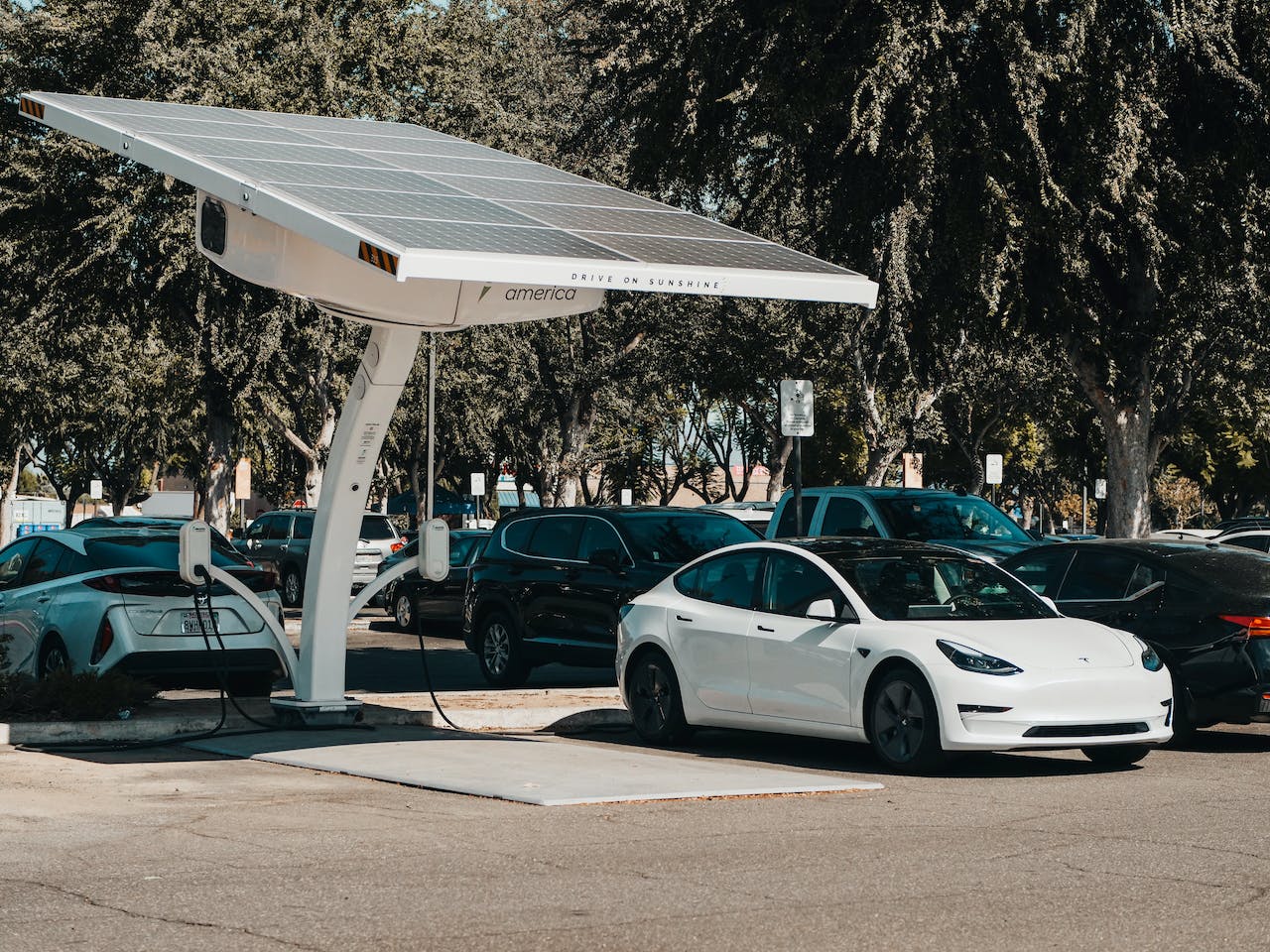
The wave in 2016 once again sparked the revival of electric vehicles with better battery technology, sturdier emissions standards, and the demand for clean technology. The EVs in the 21st century typically have a shorter driving span than the conventional vehicles operated via fuel or gas.
Increasing models and the sustained development of high-powered charging equipment are shrinking this gap. The efficiency and driving range of EVs differ significantly depending on driving conditions. Factually, EVs are considerably more efficient in city driving conditions in contrast with highway travel, making it one of the essential considerations for people of today.
The Summary
In short, automobiles have evolved how we ponder daily transportation systems. The technology makes these machines so huge and has come a long way since it was first invented. All in all, the automobile industry has evolved how we think about our lives. As technology progresses, cars are likely to become more efficient in various ways, and who knows what the typical automobile will look like at the end of this century.
Keller Ford Lincoln-Your One-Stop Destination For New & Used Cars
Are you looking for a car to replace with an old one? Keller Ford Lincoln has got things sorted for you. Whether you are searching for a new car or seeking used inventory to be budget-friendly, our incredible range of vehicle choices will help you get your dream car.
Working with Keller Ford Lincoln is not just about finding the best vehicle but choosing a dedicated and committed dealership to meet your unique demands and expectations. To serve you in the best possible way, we take an extra step for all visitors who knock on our doors. At Keller Ford Lincoln, you will be more than just a customer; a valued family-like member of the Keller Ford Lincoln Community.
Categories:
Social